In an era of global resource scarcity and escalating environmental challenges, eco-friendly sanitary ware has emerged as a pivotal direction for home design and lifestyle transformation. As the core area of household water consumption, the design and material selection of bathrooms directly impact water usage and ecological footprints. By 2025, driven by heightened consumer awareness and regulatory policies, eco-friendly sanitary ware is shifting from a “nice-to-have” to a “must-have” standard.
1. The Core Value of Eco-friendly Bathrooms
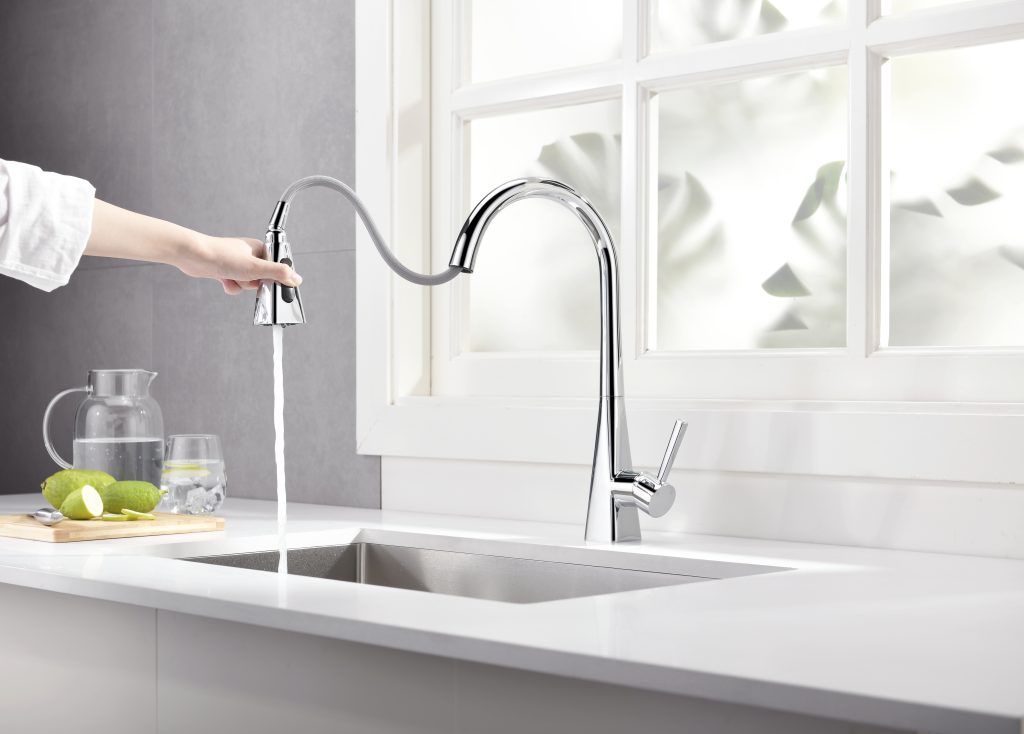
- Water Conservation: Innovations such as low-flow faucets and water-saving toilets have reduced household water consumption by over 30%.
- Sustainable Materials: The adoption of renewable materials (e.g., bamboo fiber, food-grade stainless steel) and eco-friendly manufacturing processes minimizes carbon emissions and pollution.
- Health Integration: Lead-free copper alloys and antibacterial coatings ensure water safety, making them ideal for families with children and the elderly.
2. Industry Trends and Technological Innovations
- Circular Economy Models: Brands are launching “trade-in” programs to encourage recycling of old sanitary fixtures, leveraging modular designs for part reuse.
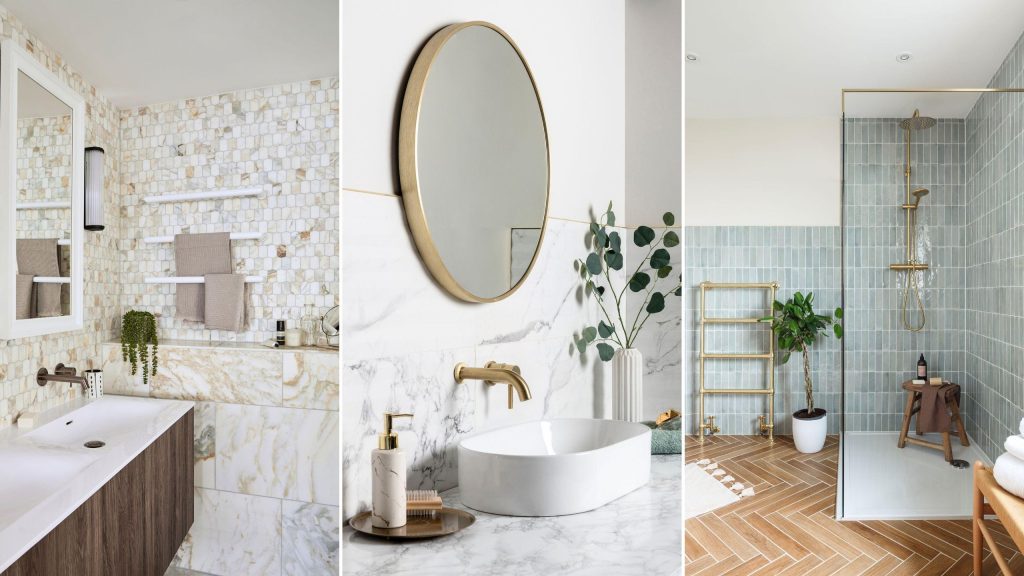
- Natural Element Integration: Modern bathroom designs incorporate natural stone textures and wood grain aesthetics to convey eco-conscious values.
- Policy-Driven Shifts: Regulations like the EU’s “Water Efficiency Label 2.0” and China’s “Green Building Evaluation Standards” are accelerating industry-wide transitions to low-carbon practices.
3. Brand Practices and User Insights
- Gold Sun Technology: Through lifecycle management (LCA), the company builds closed-loop supply chains from raw material sourcing to end-of-life recycling.
- Consumer Feedback: 90% of respondents cited durability and health benefits as key factors in their purchasing decisions for eco-friendly sanitary products.
4. Future Outlook
Eco-friendly sanitary ware represents not just technological innovation but a redefinition of lifestyles. In the future, bathrooms will emphasize harmony among “humanity, nature, and technology,” such as combining rainwater harvesting systems with solar heating to create self-sustaining solutions for households.